In toy photography storytelling, start by selecting characters that align with your story’s theme and emotions. Pose your toys dynamically, using their joints to create interaction and narrative depth. Master lighting by adjusting direction and color to enhance mood. Use perspective and the rule of thirds for composition that draws the eye. Incorporate fitting backgrounds and props for added depth. As you explore these techniques, you’ll discover how to create enchanting scenes that truly resonate.
Choosing the Right Toys for Your Story
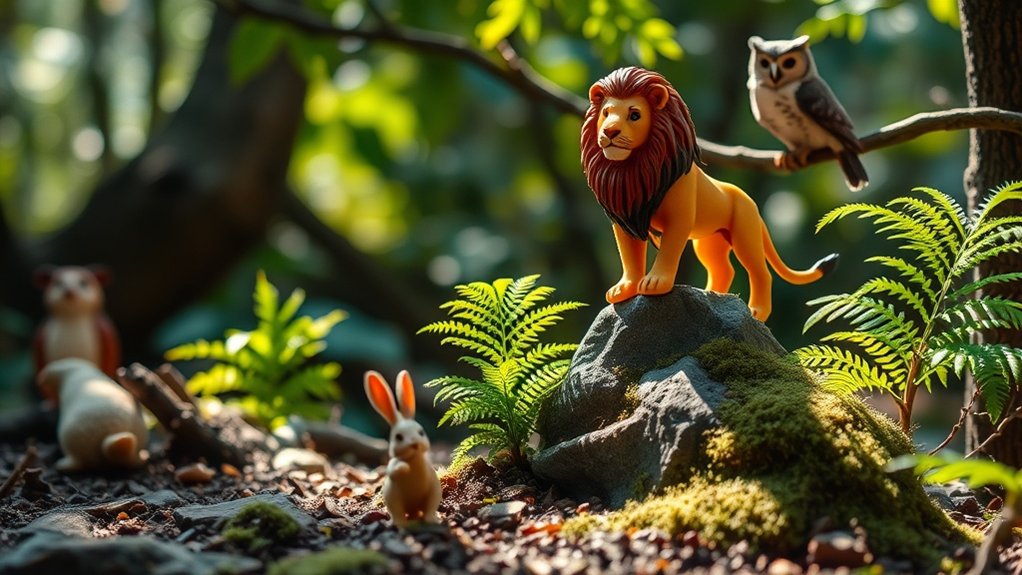
When you’re diving into toy photography storytelling, selecting the right toys is essential to bringing your narrative to life. You want to choose characters that resonate with your story’s theme. Consider the emotions and actions you wish to portray—are you aiming for adventure, nostalgia, or something whimsical? Your chosen toys should match the scene’s mood and purpose.
Think about scale and detail, too. Smaller toys can create intimate scenes, while larger ones demand attention. If you’re telling a story about a superhero, perhaps a detailed action figure would be best. For a whimsical tale, a quirky, colorful toy might do the trick. Also, consider the condition of your toys; worn or vintage can add character, while pristine toys offer a polished look.
Creating Dynamic Poses and Arrangements
With your toy characters ready, it’s time to focus on bringing them to life through dynamic poses and arrangements. Begin by considering the narrative you want to convey. Are your characters in action, conversation, or deep thought? Use joints and accessories to create expressive poses. Tilt heads, bend limbs, and adjust hands to capture emotion and movement. Arranging multiple characters? Play with levels and angles. Some toys can stand tall while others crouch or lie down, showing hierarchy or interaction.
Experiment with spacing. Close proximity can imply intimacy or tension, while distance might suggest isolation or anticipation. Varying depths add dimension; place some toys in the foreground and others in the background. Remember, it’s all about storytelling through posture and placement.
Mastering Lighting Techniques for Mood and Atmosphere
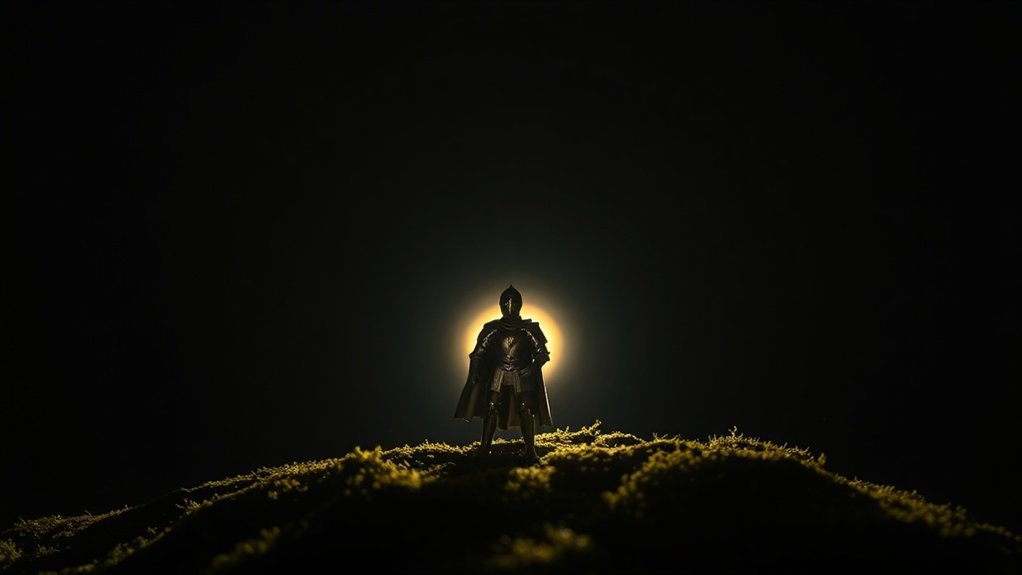
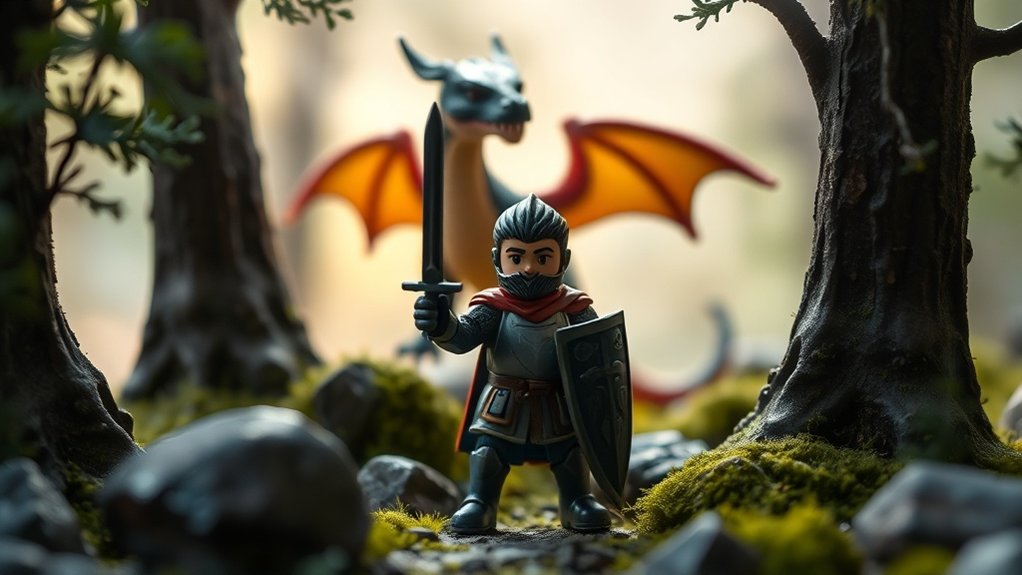
Although poses and arrangements set the stage, lighting truly transforms your toy photography by establishing mood and atmosphere. To capture the perfect shot, focus on the direction, intensity, and color of light. Use natural light for a soft, even glow, or experiment with lamps and LEDs for dramatic shadows and highlights. Angling the light source can create depth and texture, adding emotional weight to your scene. Don’t be afraid to play with colored gels to evoke different feelings. A warm hue suggests comfort, while cooler tones can introduce mystery. Remember, the key is to experiment. Adjust your setup, observe, and tweak until the desired mood emerges. Mastering these techniques will make your storytelling more engaging and visually striking.
Utilizing Perspective and Composition to Enhance the Scene
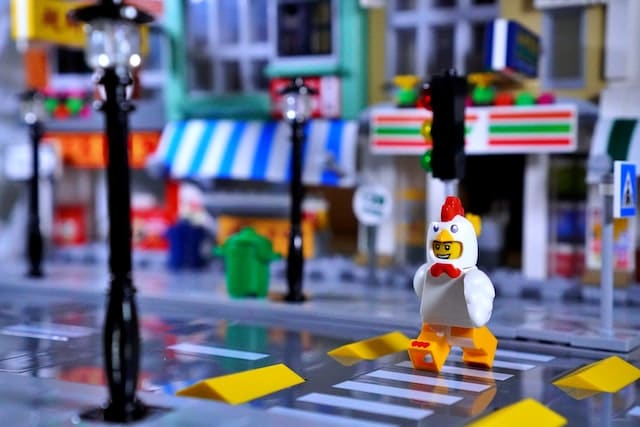
Lighting sets the scene, but perspective and composition bring your toy photography to life, guiding the viewer’s eye and telling a story. Start by deciding the story you want to tell. Low angles can make toys appear larger-than-life, adding drama, while high angles might convey vulnerability or a broader view. Experiment with angles to see how they change the narrative.
Next, consider the rule of thirds to position your subjects. Instead of centering, place toys along grid lines to create balance and interest. Lead the eye with lines—like a toy’s arm or a road—that direct attention to focal points. Don’t forget to play with symmetry or asymmetry to evoke different emotions. By thoughtfully choosing perspective and composition, you create compelling, dynamic scenes.
Adding Depth With Backgrounds and Props
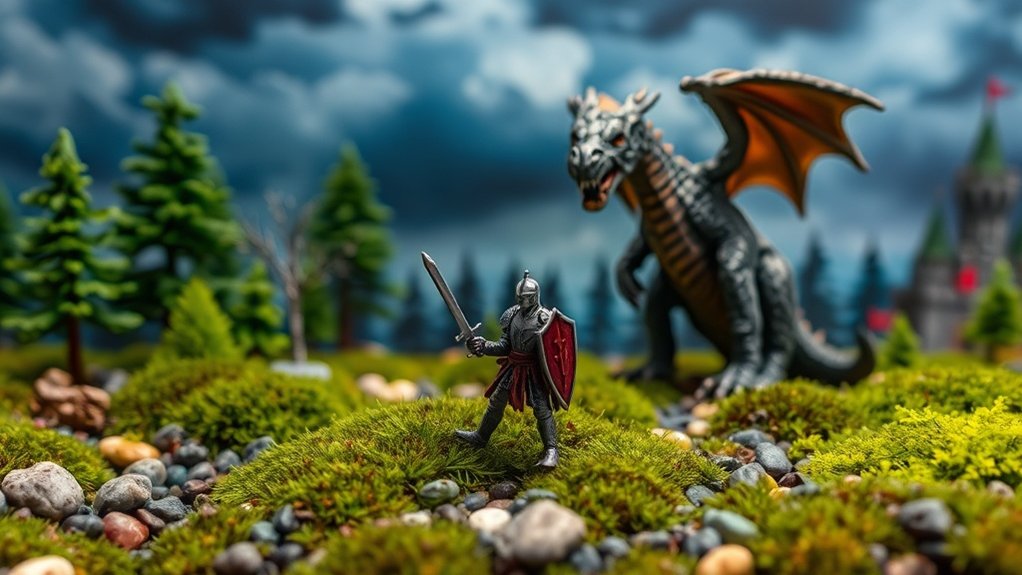
To add depth to your toy photography, backgrounds and props play a crucial role. They help create a sense of scale and context, making your scenes more immersive. Start by selecting a background that complements your toy’s theme. A simple poster or printed image can transform a bland setup into a dynamic story.
Props are equally important. They can be everyday items or miniature accessories that add realism and character to your scene. Position them thoughtfully to guide the viewer’s eye and enhance the narrative without clutter. Experiment with different textures and colors to create contrast and interest.
Frequently Asked Questions
How Can I Incorporate Storytelling Elements Into Toy Photography?
You can tell a story by focusing on character emotions, dynamic poses, and interesting backgrounds. Use lighting to set the mood and props to add depth. Experiment with angles to create a sense of action and drama.
What Editing Software Is Best for Enhancing Toy Photography Scenes?
You might be surprised that 68% of photographers prefer Adobe Lightroom for editing. It’s user-friendly and offers powerful tools to enhance colors and details, making your toy photography scenes vibrant and enthralling with just a few clicks.
How Do I Create a Narrative Without Human Characters?
Focus on creating a narrative through toys’ interactions, expressions, and backgrounds. Use lighting and angles to convey emotions. Let objects tell a story by placing them in dynamic settings that suggest movement or conflict, sparking imagination.
What Are Some Tips for Capturing Action in Toy Photography?
You encounter action shots by chance sometimes, right? Use dynamic angles and experiment with lighting to create movement. Try using a tripod for stability and play with depth of field to focus on the action.
How Can Sound Effects Enhance the Storytelling in Toy Photography?
You can enhance your toy photography storytelling by adding sound effects. They create an immersive experience, making scenes more dynamic and engaging. Use apps or software to overlay sounds like explosions, footsteps, or ambiance for extra impact. In addition to sound effects, consider experimenting with lighting techniques to further enhance the atmosphere of your shots. Remember to follow toy photography safety tips, such as ensuring your workspace is free of hazards and that you’re using child-safe materials if little ones are involved in the shoot. This thoughtful approach will not only elevate your storytelling but also keep the experience enjoyable and safe.
At a Glance
You’ve got the power to turn simple toys into enchanting stories. By selecting the right characters, crafting dynamic poses, mastering lighting, and utilizing perspective, you breathe life into each scene. Remember, the magic lies in the details—backgrounds and props add depth, transforming the ordinary into extraordinary. So, grab your camera, and let your imagination run wild. After all, storytelling isn’t just about the story—it’s about the journey you create with your lens.