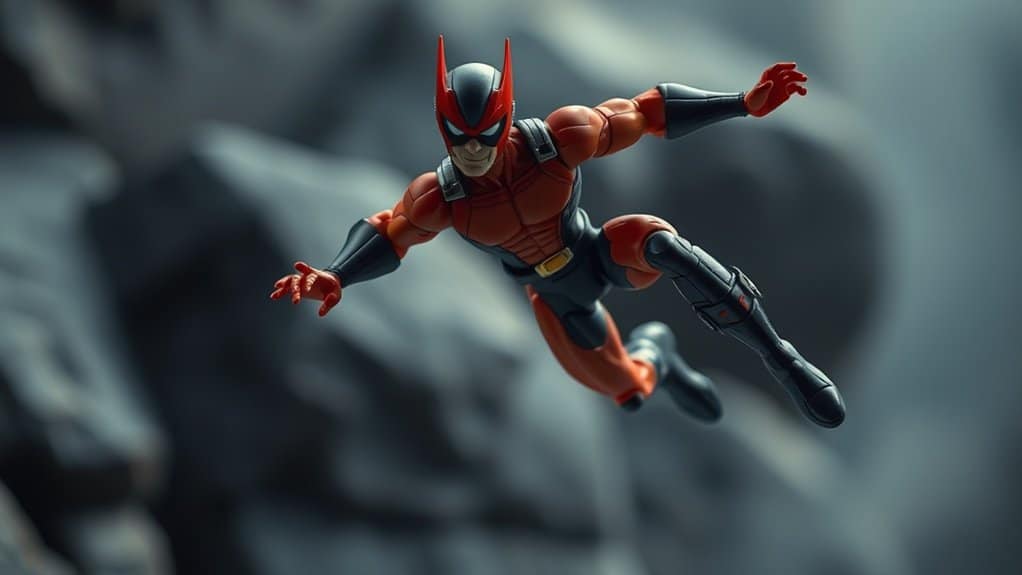
To excel in action figure photography, understand articulation and joint mechanics for realistic posing without damaging your figures. Choose backgrounds that complement your theme and experiment with lighting for a soft, natural look. Master dynamic poses by envisioning your character’s actions and using props for stability. Create motion illusion with slower shutter speeds and explore various angles to add drama. Enhance your shots through careful post-processing. There’s much more to uncover in this intriguing craft.
Understanding Articulation and Joint Mechanics
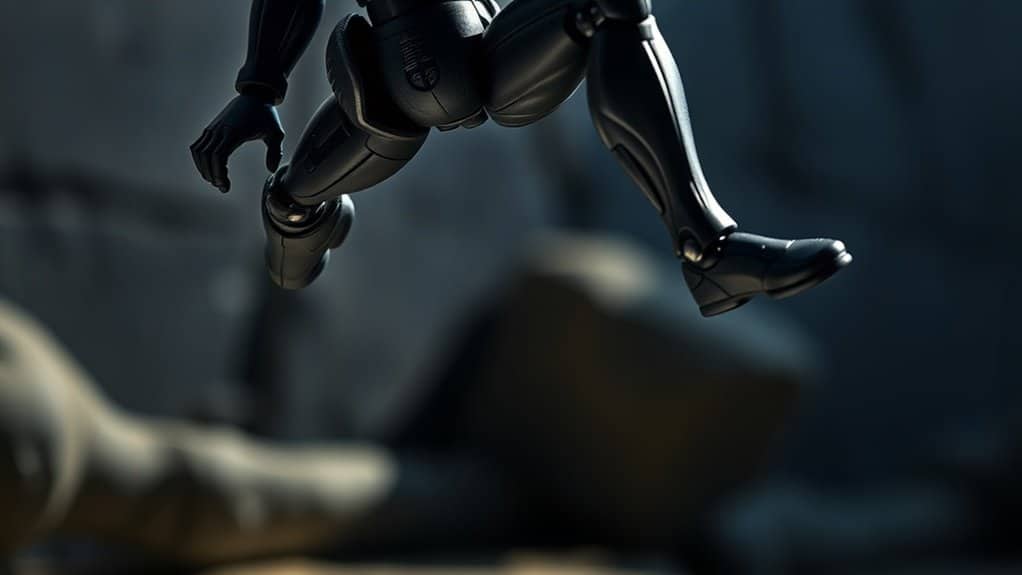
When you’re diving into action figure photography, understanding articulation and joint mechanics is essential. You need to know how your figures move to capture dynamic poses effectively. Pay attention to the number of articulation points each figure has, such as ball joints, hinges, and swivels. These dictate how natural or expressive your poses can be. Start by experimenting with basic poses like standing, sitting, or running to get a feel for the figure’s range. Don’t force the joints, as this might damage them or limit their movement over time. Adjust each limb carefully to maintain balance and realism. Practice makes perfect, so keep experimenting to refine your skills, ensuring each shot showcases your action figure’s full potential.
Choosing the Right Background and Lighting
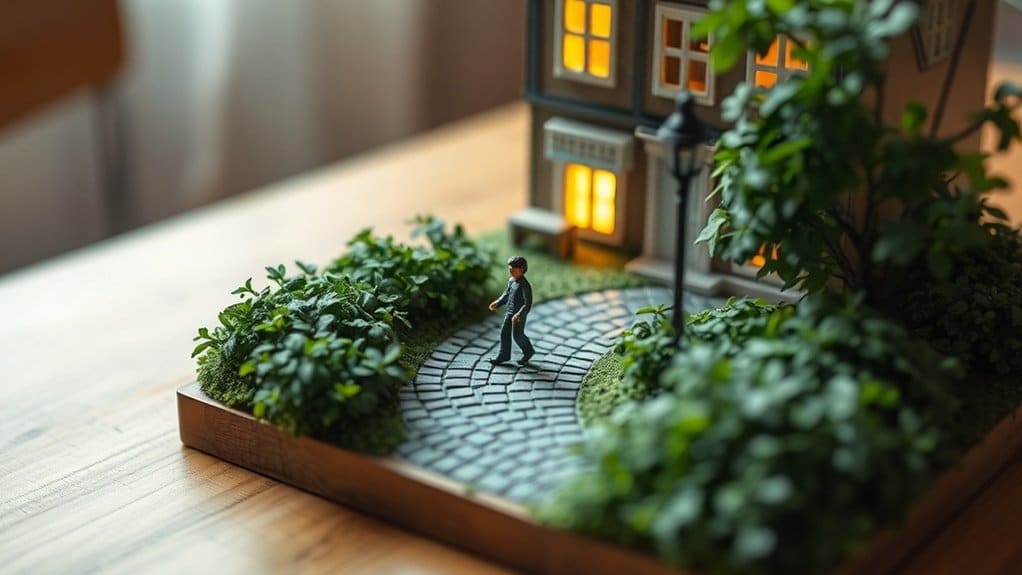
A mesmerizing background and proper lighting can elevate your action figure photography to new heights. Start by selecting a backdrop that complements your figure’s theme. Use dioramas, printed images, or natural settings to create a fitting environment. Make sure the background doesn’t overshadow your figure but enhances the scene’s storytelling.
Lighting is fundamental for capturing details and mood. Natural light is your best friend, offering soft, even illumination. Position your figure near a window, avoiding direct sunlight to prevent harsh shadows. If you’re shooting indoors, use lamps or LED panels to mimic daylight. Experiment with angles to highlight your figure’s contours and expressions. Remember, well-chosen backgrounds and lighting can transform a simple shot into an enthralling narrative.
Mastering Dynamic Posing Techniques
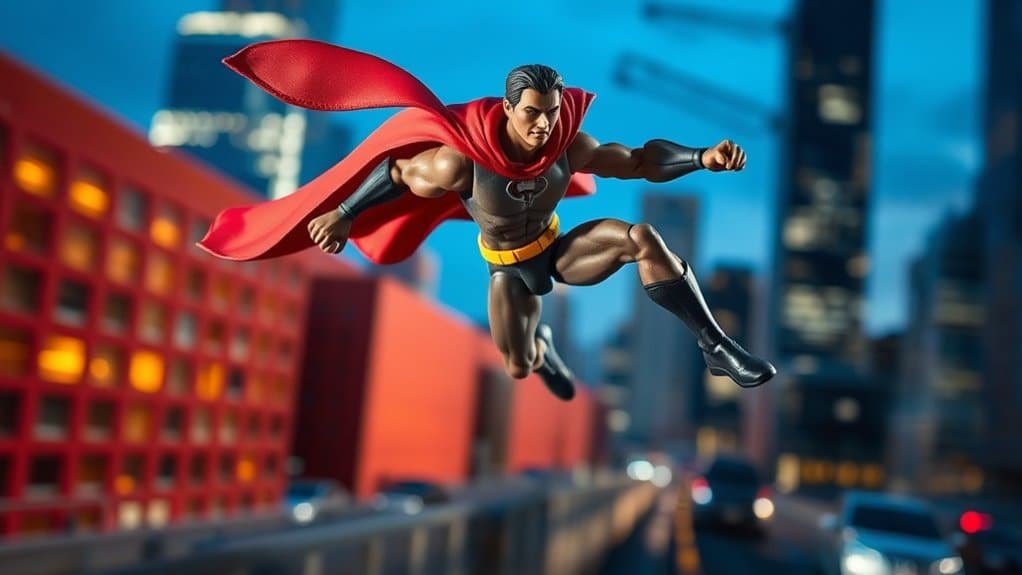
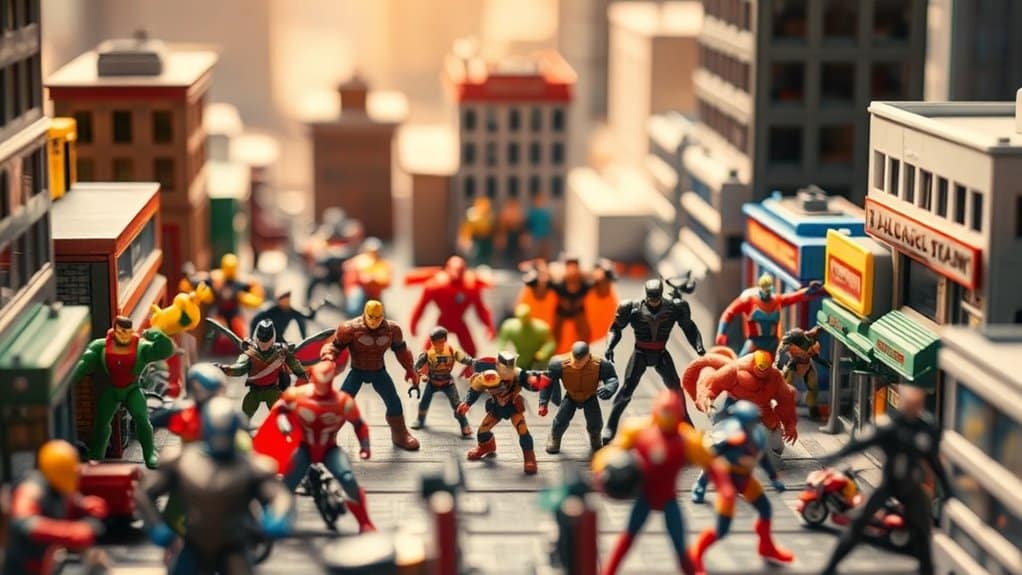
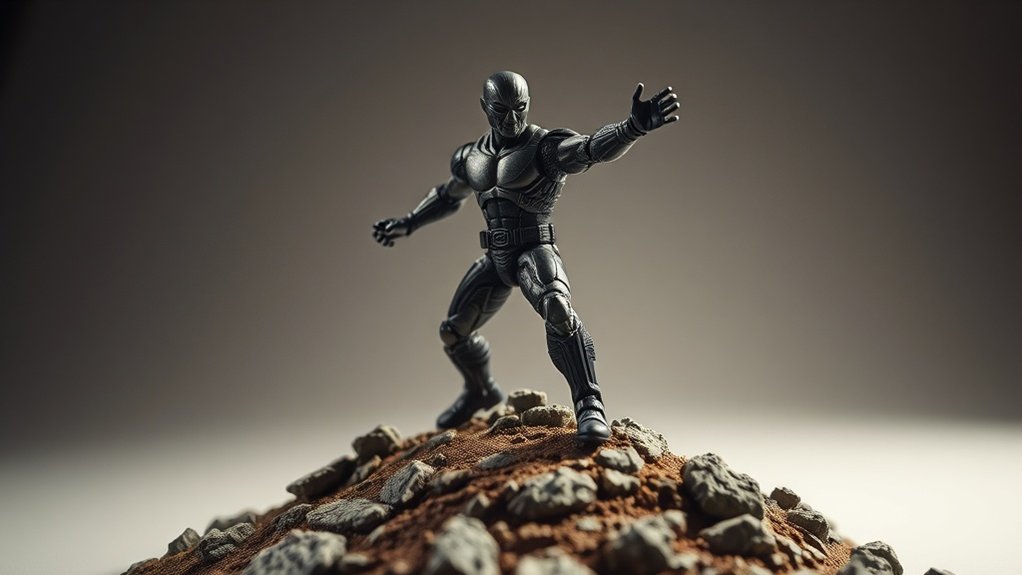
Capturing the perfect pose is key to bringing your action figures to life. Start by envisioning the character’s personality and the action scene you want to portray. Consider their joints and range of motion. Experiment with different angles and positions. Don’t be afraid to push the limits—dynamic poses often involve exaggerated stances that might seem impossible but add excitement. Use small props or stands to support more adventurous poses, ensuring stability without sacrificing realism.
Focus on balance. A figure leaning too far forward might topple, so adjust the center of gravity. Pay attention to the line of action, an imaginary line that guides the flow of the pose. This can add energy and direction, making your figures appear more animated and alive.
Creating the Illusion of Motion
To create the illusion of motion in your action figure photography, consider leveraging techniques like blurring and strategic positioning. Begin by using a slower shutter speed to capture motion blur, giving the impression that your figure is moving swiftly. You can also achieve this effect by intentionally moving your camera slightly during the shot. Strategic positioning is key; position your figure in a dynamic pose that suggests movement, like an exaggerated run or leap.
Enhance the effect by adding props or elements that signify motion. For instance, use cotton or small pieces of fabric to simulate dust or wind trails. These elements add realism and depth. Finally, pay attention to the background; a simple, contrasting backdrop guarantees the figure remains the focal point, emphasizing the motion effect.
Experimenting With Angles and Perspectives
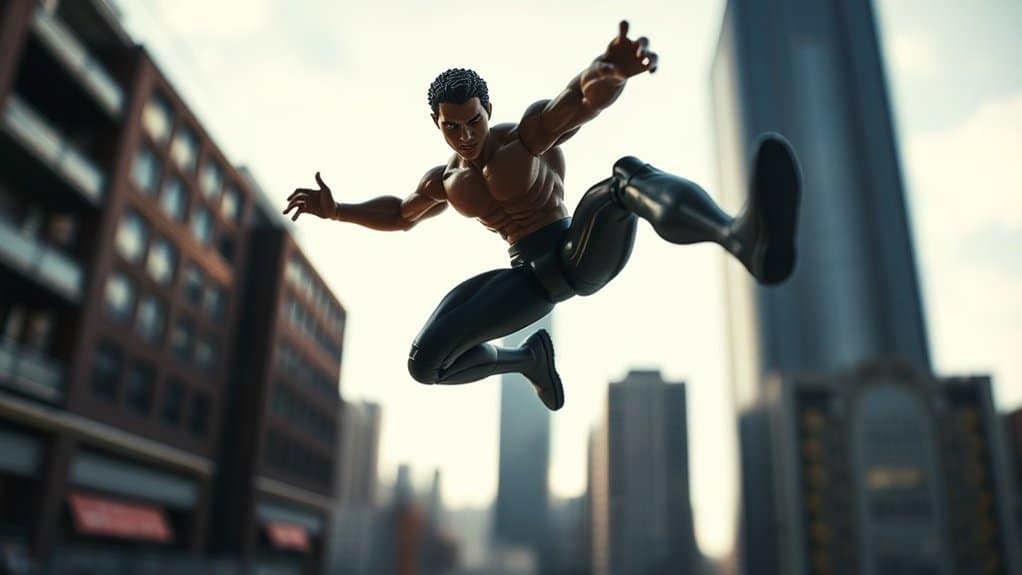
Now that you’ve mastered creating the illusion of motion, let’s explore how experimenting with angles and perspectives can elevate your action figure photography. Changing your viewpoint adds drama and depth, transforming a simple scene into something dynamic. Try shooting from a low angle to make your figures appear larger than life, adding intensity to their poses. High angles, conversely, can create a sense of vulnerability or highlight intricate details.
Don’t hesitate to move around your subject. A side angle might reveal hidden aspects of their design or suggest movement. Tilt your camera slightly for a more dramatic effect, infusing your shots with energy. By constantly experimenting with different angles and perspectives, you’ll discover new ways to tell stories and evoke emotions through your photography.
Post-Processing for Enhanced Realism
While capturing the perfect shot is essential, post-processing can elevate your action figure photography to new heights of realism. Start by using editing software like Adobe Photoshop or Lightroom. Adjust the exposure, contrast, and saturation to make colors pop and shadows more dynamic. Don’t forget about fine-tuning the white balance for true-to-life hues.
Next, focus on sharpening details to highlight textures and make figures appear more lifelike. Use tools like the dodge and burn to add depth and emphasizes contours. Experiment with adding subtle motion blur to simulate movement, if that’s what your photo needs.
Finally, consider using filters and overlays for atmospheric effects, like fog or lens flare, to create a cinematic feel. Post-processing transforms your images from great to extraordinary.
Frequently Asked Questions
How Can I Prevent Dust From Accumulating on My Action Figures?
To prevent dust on your action figures, regularly clean them with a microfiber cloth. Store them in display cases with dust covers. Use an air purifier to reduce dust in the room and keep everything pristine.
What Is the Best Way to Clean Action Figures After a Photoshoot?
Did you know 80% of dust is actually dead skin cells? When you clean your action figures post-photoshoot, use a microfiber cloth for gentle dusting, and avoid water unless necessary to prevent damage to the paint.
Are There Any Legal Issues With Sharing Photos of Branded Action Figures?
You might face legal issues when sharing photos of branded action figures due to copyright or trademark laws. Always check the company’s guidelines and consider reaching out for permission to avoid any potential legal problems.
How Can I Safely Transport Action Figures for Outdoor Photography?
Sure, you’re not smuggling national treasures, but pack your action figures like they’re priceless. Use padded cases, bubble wrap, or small containers. Keep them secure to avoid tragic limb losses en route to your photography adventure.
What Are Some Budget-Friendly Tips for Creating Custom Action Figure Accessories?
You can use household items like aluminum foil for weapons or fabric scraps for capes. Craft stores offer cheap materials, and recycling old toys can provide unique pieces. Get creative and customize with paint for personal flair.
At a Glance
You’ve now got the tools to bring your action figures to life like a director orchestrating a blockbuster. Remember, dynamic poses and the illusion of motion are your secret weapons. As you experiment with angles, perspectives, and lighting, you’ll weave a visual story that captivates. Post-processing is the final brushstroke on your masterpiece. So grab your camera, set the stage, and let your figures leap off the screen with breathtaking realism. The world of action figure photography awaits!