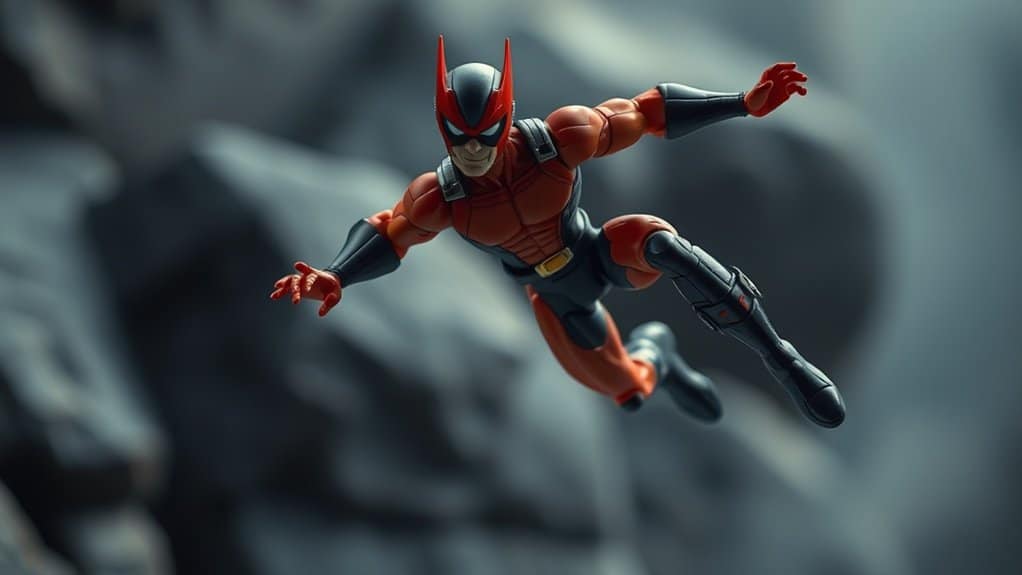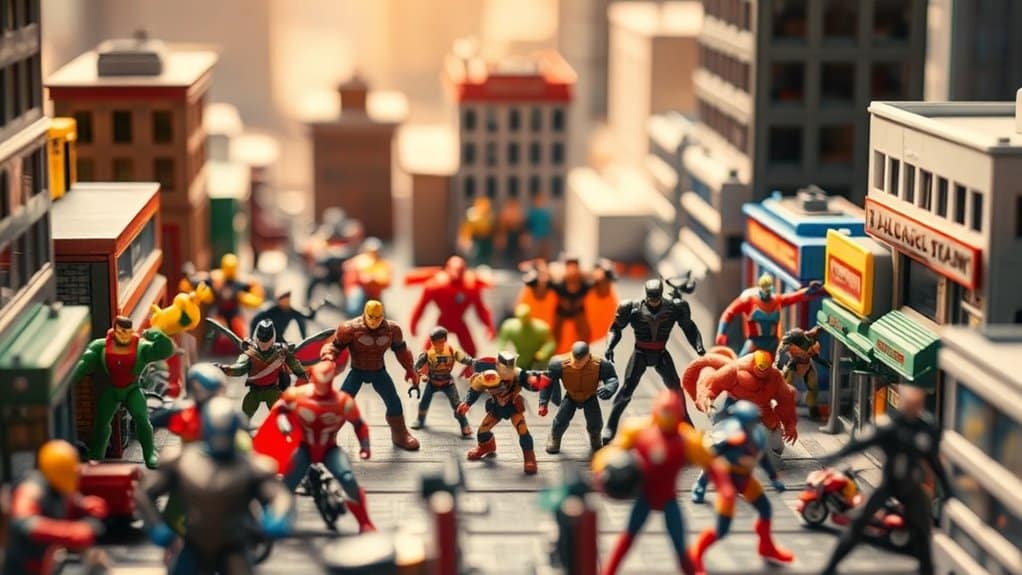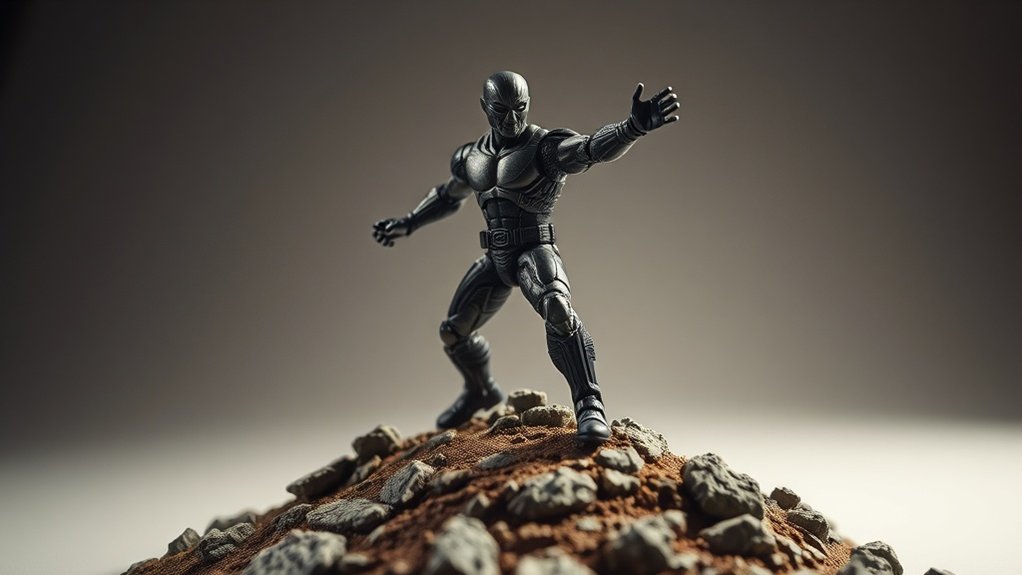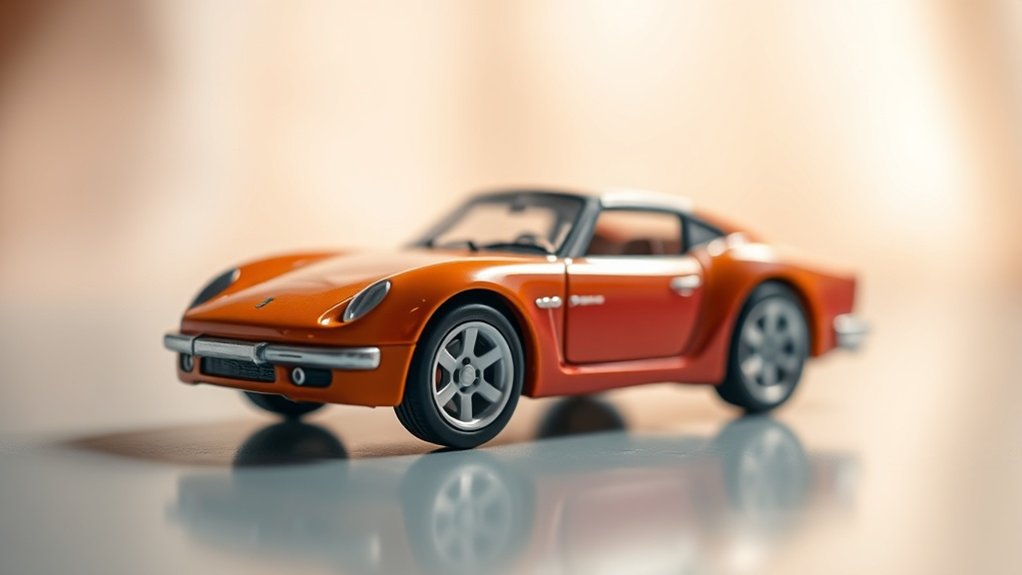
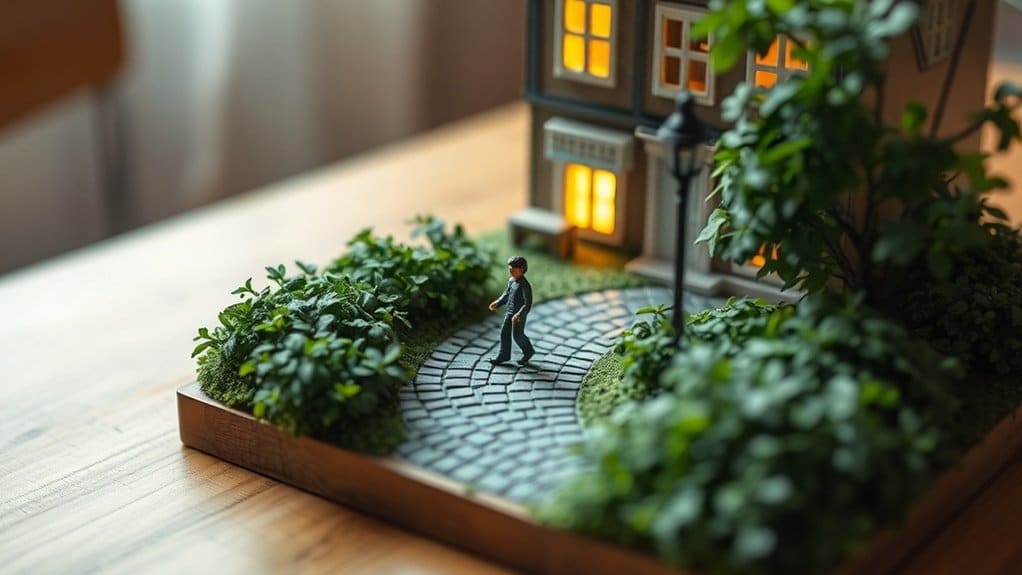
To create a diorama for toy photography, start by choosing a simple theme that enhances your toys. Gather materials like foam board, mini props, and natural elements. Craft a base and realistic terrain using materials like cardboard and clay, adding texture with paint. Plan your layout with balanced focal points, then use lighting and camera techniques to set the mood and capture stories effectively. Explore more to master the art of diorama photography.
Choosing the Right Theme for Your Diorama
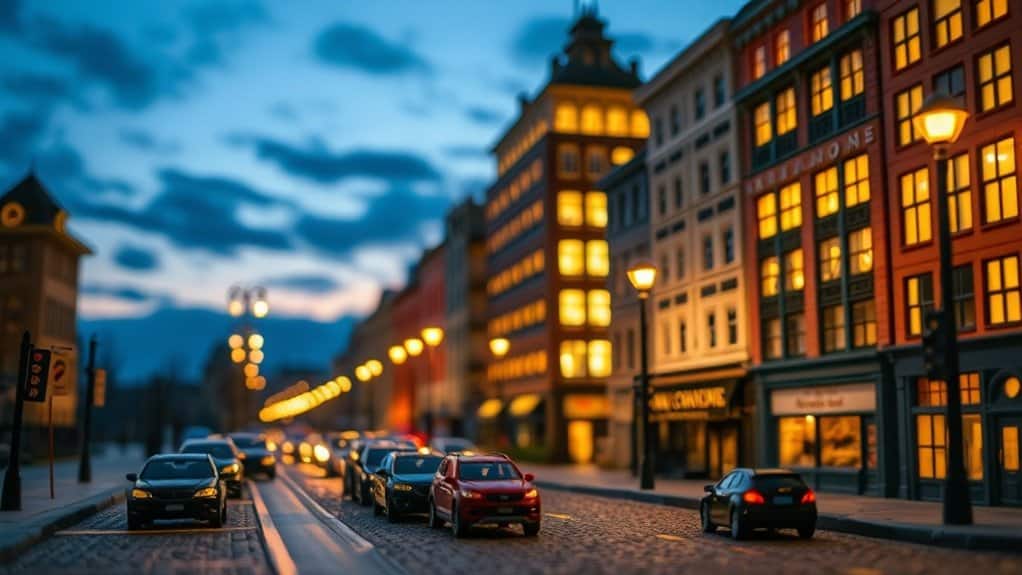
How do you decide on the perfect theme for your diorama? Start by considering the story you want to tell. What mood or atmosphere do you want to create? Maybe you’re drawn to a bustling urban scene or prefer a serene nature setting. Think about the characters and objects you’ll include. Do they belong in a specific time period or setting? Watch movies, read books, or browse art to spark ideas. Keep your theme simple and focused to avoid overwhelming details. Guarantee your theme aligns with the toys you’re photographing, enhancing their features and personalities. Trust your instincts and choose a theme that excites you. This will keep you motivated and make your diorama truly unique and engaging.
Gathering Essential Materials and Tools
When gathering materials for toy photography, start by selecting base materials like foam board or cardboard to build your diorama’s foundation. Equip yourself with essential craft tools such as precision knives, glue guns, and cutting mats to shape and assemble your scene. Don’t forget to enhance your setup with props like miniature trees, vehicles, and furniture to add depth and realism to your photos.
Choosing Base Materials
Before diving into the creative world of toy photography, it’s important to gather the right materials and tools to set a strong foundation for your projects. Start by selecting a sturdy base for your diorama. Foam board and MDF (medium-density fiberboard) are excellent choices due to their durability and ease of use. You’ll also need materials like cardboard or insulation foam for creating layers and textures. Consider using plaster cloth for sculpting terrain and adding realistic details.
Choose paints suitable for the materials you’re using; acrylics are versatile and dry quickly. For natural elements, collect twigs, stones, and moss to add authenticity to your scene. Don’t forget adhesives like hot glue or strong craft glue to make sure everything stays in place during your photo shoots.
Essential Craft Tools
To create stunning toy photography, having the right craft tools is essential. First, a sharp utility knife is your best friend for cutting foam, cardboard, or any base material precisely. A metal ruler guarantees your cuts are straight and accurate. Glue guns provide strong and quick adhesion, perfect for assembling your diorama elements swiftly.
You’ll also need a cutting mat to protect your work surface and to make clean cuts easier. Invest in various paintbrushes for detailed painting and weathering effects. Acrylic paints in assorted colors will bring your scene to life.
Don’t forget tweezers for small, delicate pieces, and a pencil for sketching ideas or marking cuts. Finally, a steady hand and patience round out your toolkit for successful toy photography creation.
Enhancing With Props
Enhancing your toy photography with props can elevate your scenes from simple to extraordinary. By carefully selecting and incorporating props, you create a more immersive and dynamic diorama. Start by gathering essential materials and tools that will bring your vision to life. Look around your home or visit local craft stores for unique items that complement your theme. Consider using:
- Miniature furniture for realistic indoor settings.
- Natural elements like rocks and twigs for outdoor environments.
- Colored paper or fabric to set the scene’s background.
- LED lights to highlight and create dramatic shadows.
- Small accessories such as tiny books or dishes to add detail.
These elements help you craft a scene that’s rich in detail, drawing viewers into your miniature worlds.
Planning Your Diorama Layout
When starting on planning your diorama layout, it’s essential to envision the story you want to tell with your toy photography. Consider the setting, the emotions you want to convey, and the interaction between characters. Sketch your ideas on paper to organize your thoughts. Think about the scale of your toys and how they’ll fit into the scene. It’s important to balance the elements so that the focal point is clear and the viewer’s eye naturally travels through the scene.
Next, consider lighting and shadows. Decide where your light sources will be to enhance the mood and add depth. Factor in any potential camera angles that’ll highlight the scene best. Keep your layout flexible, allowing for adjustments as your creative process unfolds.
Crafting the Base and Background
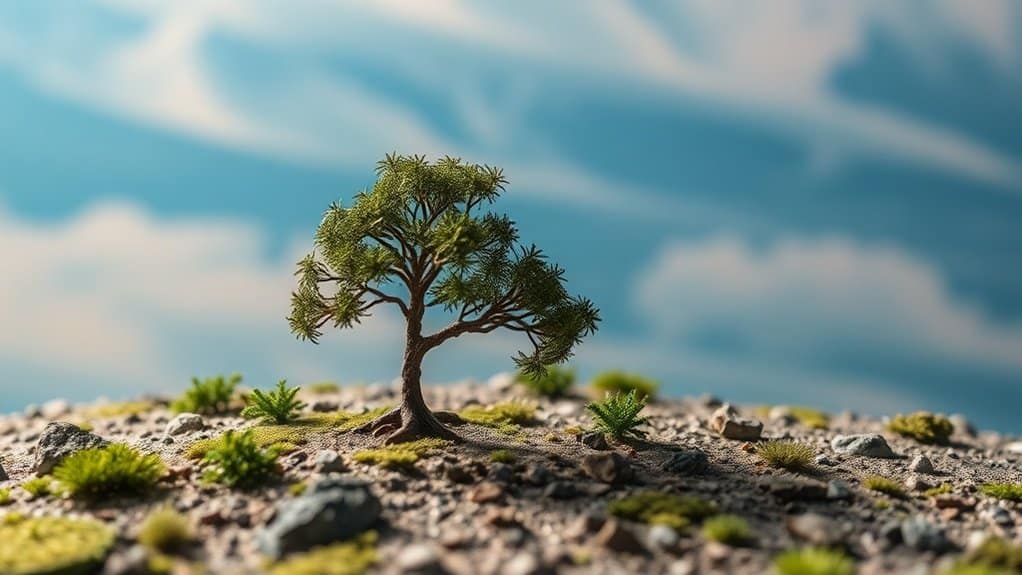
When crafting the base and background for your toy photography, start by choosing materials that enhance your scene’s realism. Consider using items like foam boards, textured papers, or natural elements to design scenic elements that complement your toys. Focus on harmony between the base and background to create a cohesive and enchanting visual story.
Choosing Suitable Materials
Creating a compelling scene in toy photography starts with carefully selecting the right materials for your base and background. Choosing suitable materials guarantees that your diorama looks realistic and enhances your toy’s narrative. First, reflect on the theme and environment you want to depict. Opt for materials that are easy to manipulate and fit your scene’s scale. You’ll need a sturdy base and visually appealing background that complements your setup. Here’s a quick list of materials to reflect on:
- Foam Board: Lightweight and easy to cut for creating levels or structures.
- Acrylic Paints: Perfect for adding color and texture to your base.
- Cardstock: Useful for crafting detailed elements like walls or props.
- Fabric Scraps: Add texture and depth to your scene.
- Natural Elements: Incorporate small rocks or twigs for authenticity.
Designing Scenic Elements
With your materials selected, it’s time to bring your toy photography scene to life by designing scenic elements. Start by crafting the base. Choose a sturdy platform, like a piece of wood or thick cardboard. This will provide a stable foundation for your scene. Lay down textures that mimic the environment you envision—sandpaper for deserts, moss or felt for grassy fields.
Next, focus on the background. You can paint a backdrop or use printed images to create depth. Think about the setting: a cloudy sky, a bustling cityscape, or a serene forest. Attach the background securely to prevent shifts during shooting. Remember, your base and background should complement each other and enhance the storytelling of your diorama, making your toy figures truly stand out.
Creating Realistic Terrain and Ground Textures
Crafting realistic terrain and ground textures is an essential step to elevate your toy photography from ordinary to extraordinary. Start by considering the environment you’re trying to replicate. To achieve authentic results, use a variety of materials to mimic natural elements. For example, crushed leaves can recreate forest floors, while fine sand is perfect for desert scenes. You can also experiment with paint and textured pastes for added depth and realism. Here’s a list to guide you:
- Use fine sand for arid and desert-like textures.
- Crushed leaves or herbs to simulate forest floors.
- Textured acrylic paint for rocks and rugged terrain.
- Cork pieces to imitate rough, uneven surfaces.
- Modeling clay for custom, sculpted landscapes.
These techniques provide a solid foundation for engaging diorama scenes.
Adding Structures and Props to Your Scene
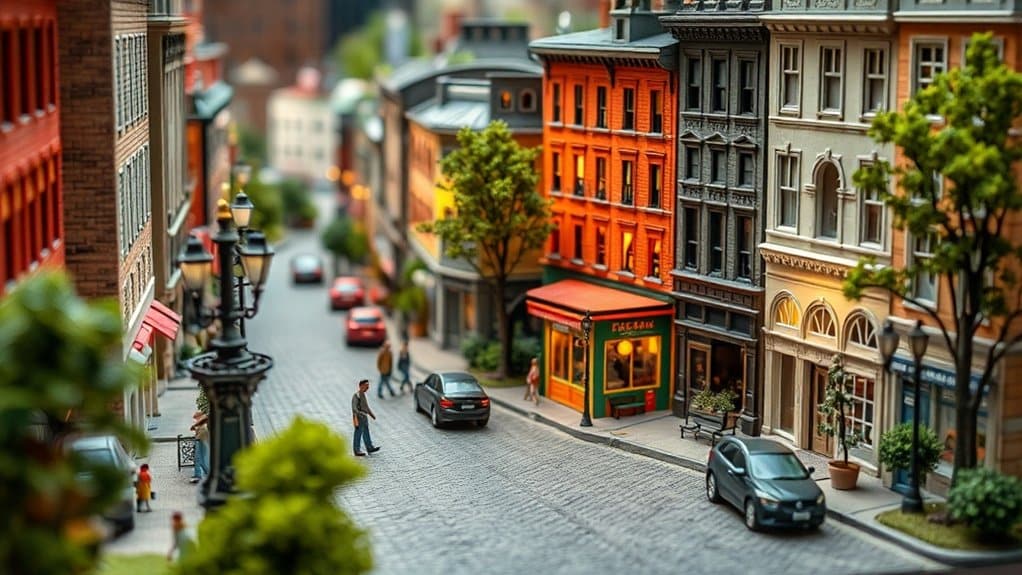
While your terrain sets the stage, adding structures and props truly brings your toy photography scenes to life. Start by thinking about the story you want to tell. Do you need a rugged mountain cabin or an urban cityscape? Select or craft structures that match your theme. You can use materials like cardboard, foam, or balsa wood to build them. Once you’ve got your structures, add props like tiny furniture, vehicles, or accessories that complement the setting. These details make the scene feel lived-in and believable. Be mindful of the scale to guarantee everything fits seamlessly with your toys. Arrange the elements thoughtfully to guide the viewer’s eye and create a dynamic composition. With the right elements, your diorama transforms into an engaging visual narrative.
Painting and Detailing for Authenticity
To make your toy photography truly stand out, focus on painting and detailing for authenticity. Choose a realistic color palette that matches the scene you’re creating, ensuring it enhances the subject’s believability. Adding texture can also bring depth, making the figures appear more lifelike and engaging in your shots.
Choosing Realistic Color Palette
When you’re diving into toy photography, selecting a realistic color palette is crucial for bringing your subjects to life. Colors set the mood and make your diorama scenes believable. To achieve this, you should consider the following tips:
- Observe Nature: Study real-world environments to understand natural color combinations.
- Use Reference Images: Gather photos that match your scene’s setting for accurate color inspiration.
- Limit Your Palette: Stick to a few harmonious colors to maintain cohesion and prevent overwhelming the viewer.
- Consider Lighting: Colors will look different under varied lighting conditions, so test them with your lighting setup.
- Invest in Quality Paints: High-quality paints provide richer pigments and smoother application, enhancing realism.
Adding Texture for Depth
Creating depth through texture is essential for making your toy photography scenes pop with authenticity. Start by selecting the right materials for your diorama surfaces. Use textured paint or add materials like sand, gravel, and moss for a natural feel. Apply dry brushing techniques to highlight raised areas, giving your scene dimension. Don’t forget to use washes to deepen shadows and bring out details.
Next, focus on small details that make a big impact. Paint rust on metal objects, or add wear to wood surfaces using a sponge or fine brush. Experiment with different tools and techniques to achieve the desired effect. Remember, the goal is to create a scene that feels real and lived-in, enhancing the story behind your toy photography.
Lighting Techniques for Mood and Atmosphere
How can you transform a simple toy scene into an enchanting story with just the right lighting? It’s all about setting the mood and creating atmosphere. Start by considering the scene’s emotion. Is it mysterious or cheerful? Use these techniques:
- Soft lighting: Diffuse light for a gentle, dreamy effect.
- Harsh shadows: Add drama with strong contrasts using direct light.
- Colored gels: Alter hues to evoke different emotions, like blue for calm or red for tension.
- Backlighting: Create silhouettes to add mystery and depth.
- Spotlighting: Focus on key elements to guide the viewer’s eye.
Experiment with these methods and see how each approach transforms your diorama. Remember, the right lighting turns a static scene into a vivid, compelling narrative.
Positioning Your Figures for Dynamic Storytelling
Now that you’ve mastered lighting techniques, let’s focus on how figure positioning can elevate your toy photography. The way you position your figures tells a story—one that enthralls your audience. Start by considering the narrative you want to convey. Position figures to reflect action, emotion, or tension. For instance, angling a figure slightly forward suggests motion, while contrasting two figures in a face-off adds drama. Varying heights and levels creates depth and interest. Use props to enhance the scene and guide the viewer’s eye. Remember, small adjustments can transform a static image into a dynamic story. Experiment with poses to discover what works best. With practice, you’ll find the right balance between realism and creativity, making your scenes truly enthralling.
Capturing the Perfect Shot With Your Camera
Although mastering figure positioning is essential, capturing the perfect shot with your camera brings your toy photography to life. Start by adjusting your camera settings to fit the scene’s mood. Here are some tips to guide you:
- Lighting: Make sure your lighting highlights depth and details. Experiment with natural and artificial sources.
- Composition: Use the rule of thirds to balance your image, directing the viewer’s eye to the action.
- Focus: Make certain your subject is sharp; adjust the depth of field for dramatic effect.
- Angles: Try different angles to see which one best captures the story you’re telling.
- Stability: Use a tripod to avoid blur, keeping your shots crisp and clear.
With these tips, your toy photography will capture the scene’s essence perfectly.
Frequently Asked Questions
How Can I Store and Preserve My Diorama for Long-Term Display?
To store and preserve your diorama long-term, keep it in a cool, dry place away from direct sunlight. Use a dust cover and guarantee it’s on a stable surface. Regularly check for damage and make necessary repairs.
What Are Some Common Mistakes to Avoid in Toy Photography?
Don’t overlook lighting; it’s essential. Avoid cluttered backgrounds that distract from the subject. Guarantee your camera settings match the scene. Forgetting to clean toys can ruin shots. Experiment with angles to find the best perspective.
How Do I Budget Effectively for a Diorama Project?
Start by setting a clear budget and prioritize essential materials. Reuse items you already have, and shop smartly for deals. Don’t forget to allocate funds for unexpected expenses. Track your spending to stay on budget.
What Software Can Enhance My Toy Photography Post-Production?
You should try Adobe Photoshop and Lightroom to enhance your toy photography. They offer powerful editing tools that’ll refine your images. Don’t forget mobile apps like Snapseed for quick adjustments on-the-go. They’ll elevate your post-production game.
How Can I Create Movement Effects in Static Toy Scenes?
Breathe life into your static scenes by using motion blur creatively. Place a fan off-camera to rustle fabric or hair, or use editing software to add dynamic streaks and swirls, simulating vibrant movement in your shots.
At a Glance
You’ve now got the basics to transform your toy photography from ordinary to extraordinary. With a touch of creativity and a sprinkle of patience, your diorama will breathe life into every scene. Remember, the devil’s in the details, so don’t shy away from adding those little extras that make a big difference. As you snap away, let your imagination run wild and watch your toy stories leap off the page. Now, go make some magic!